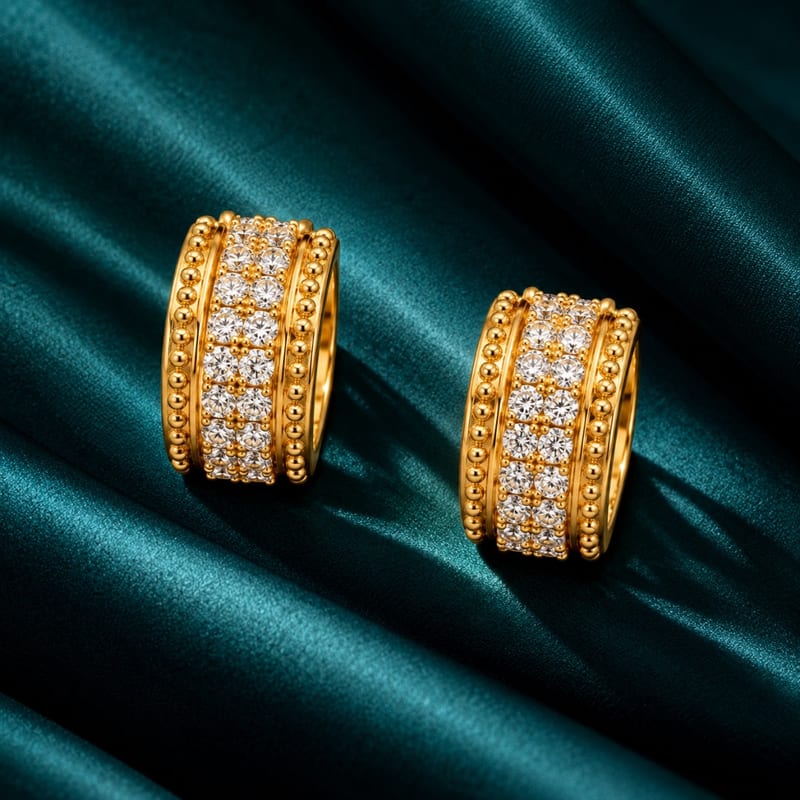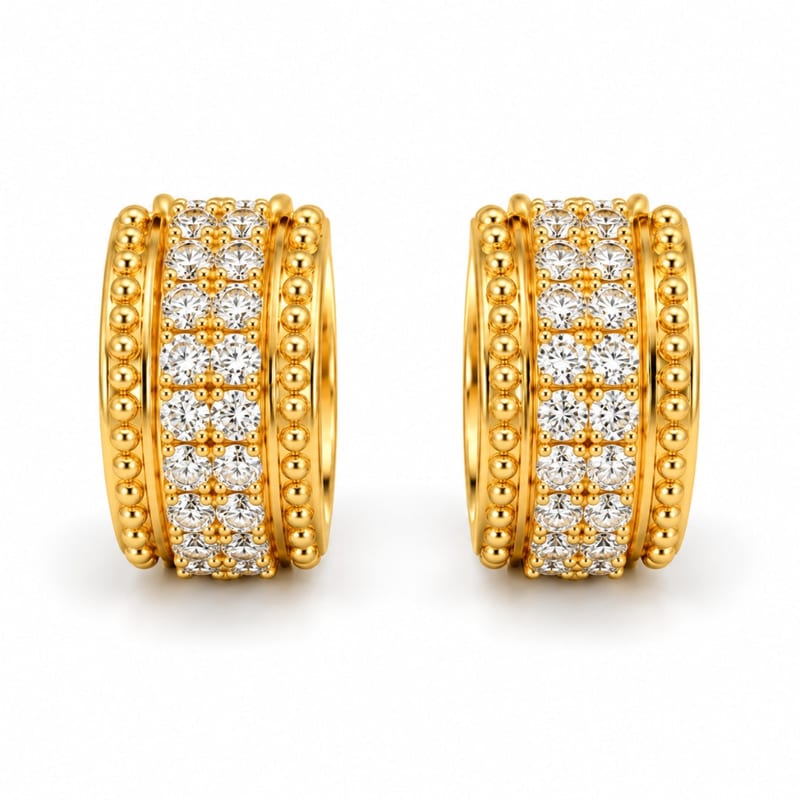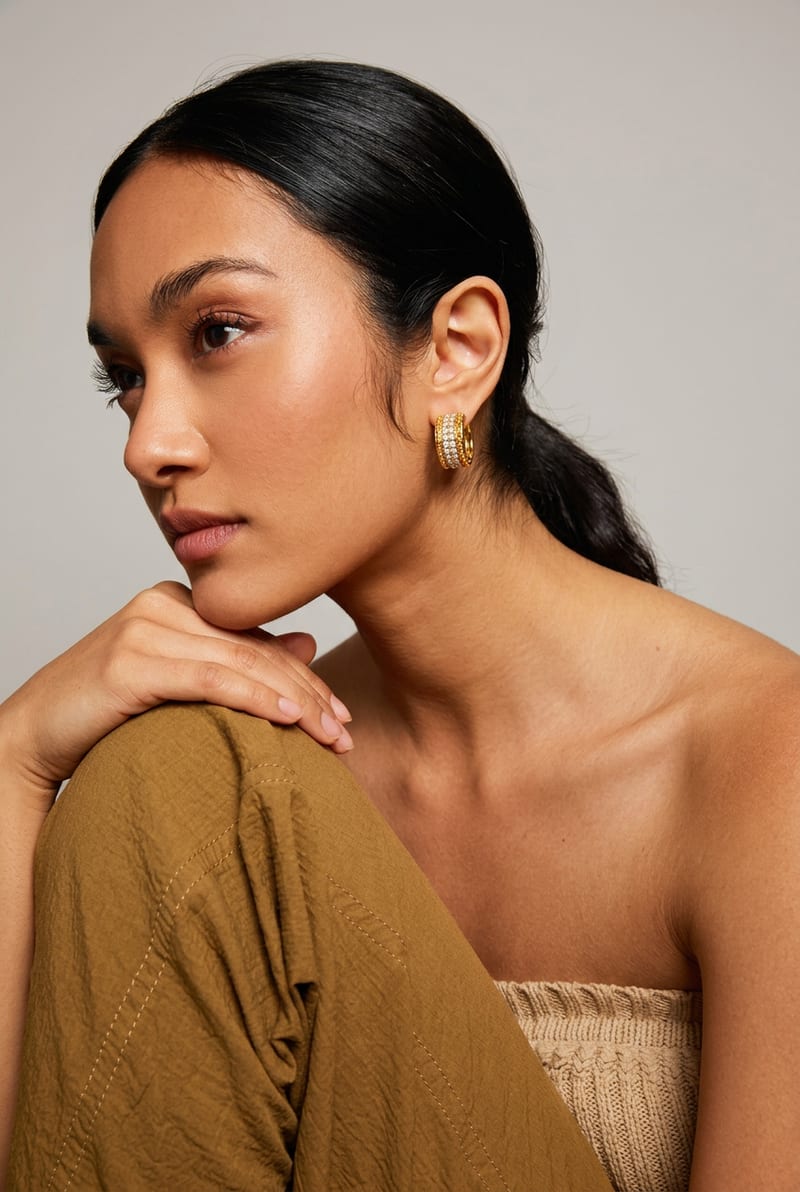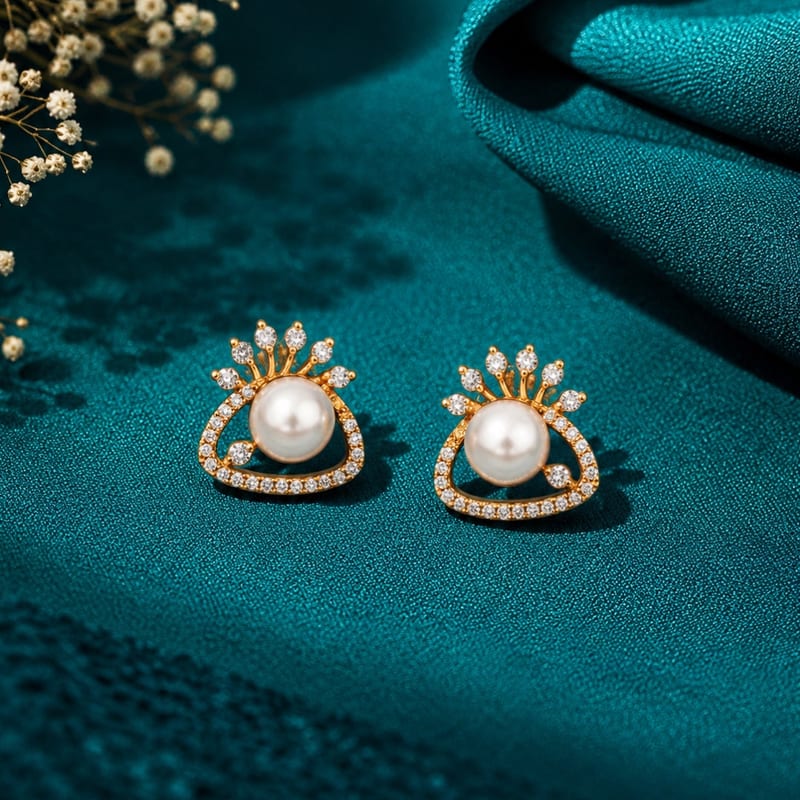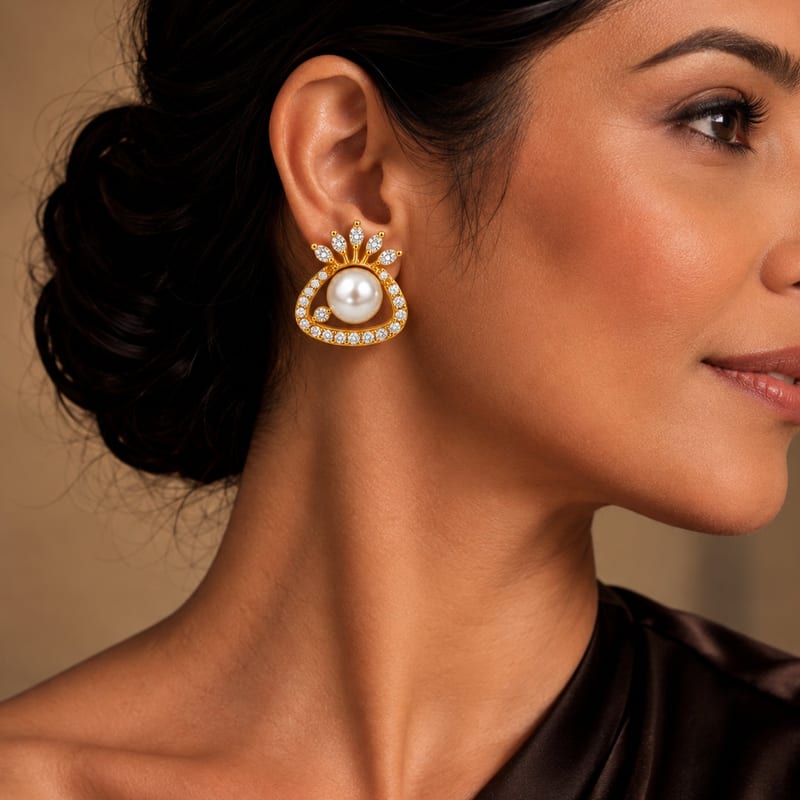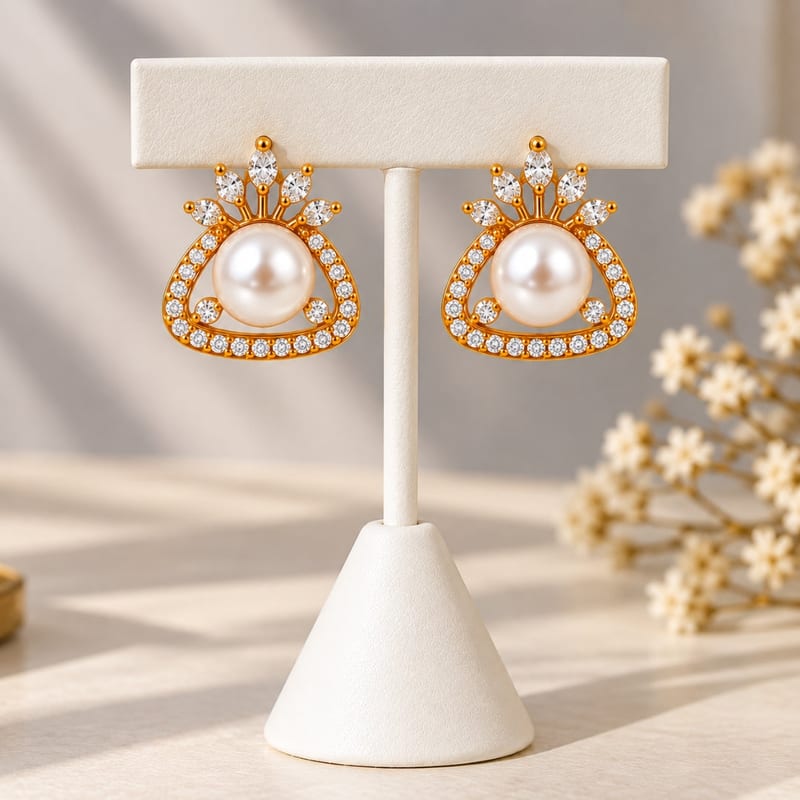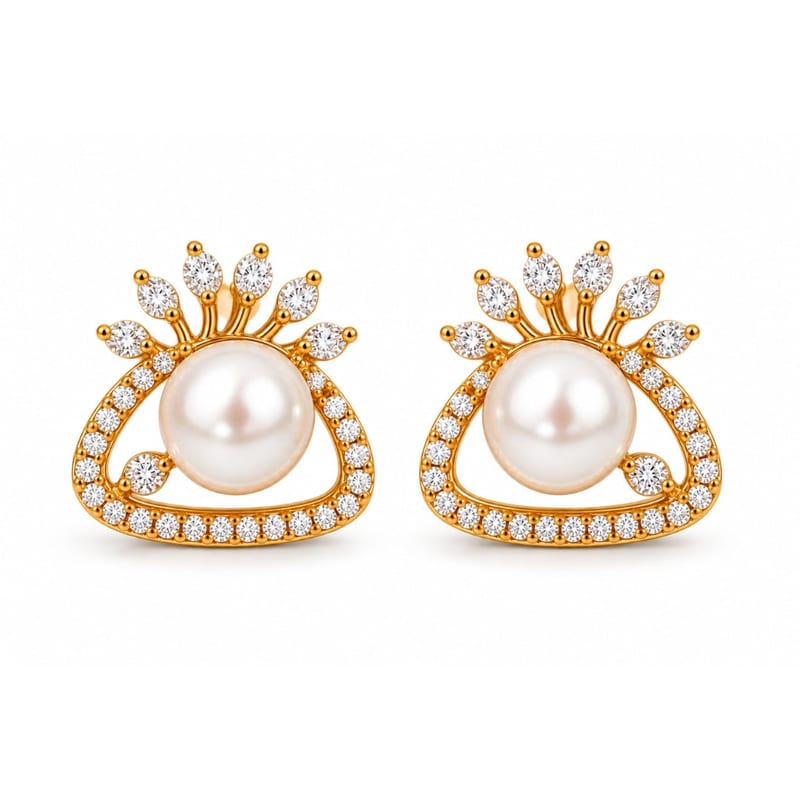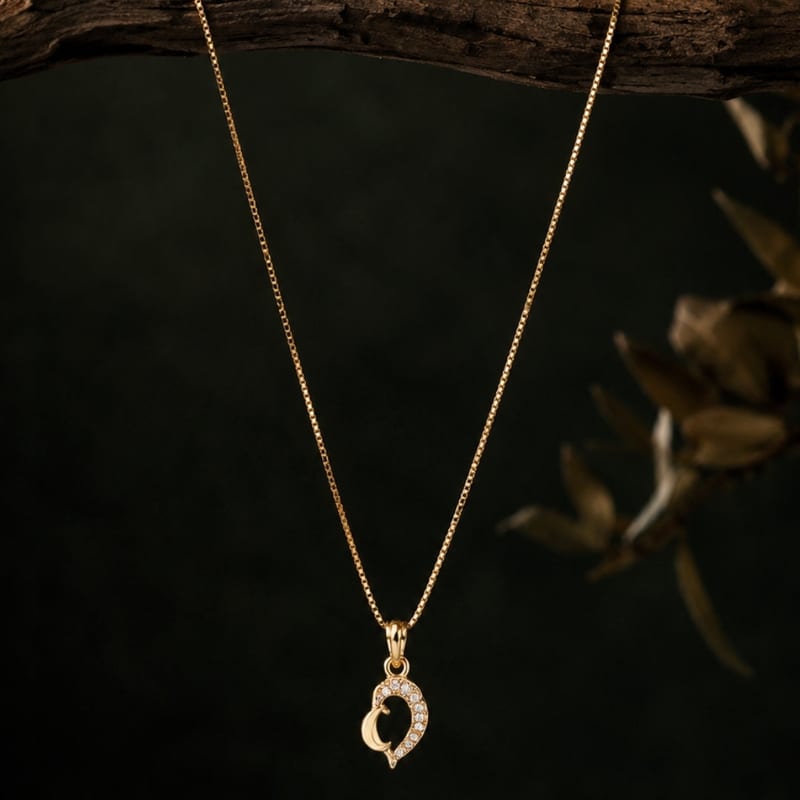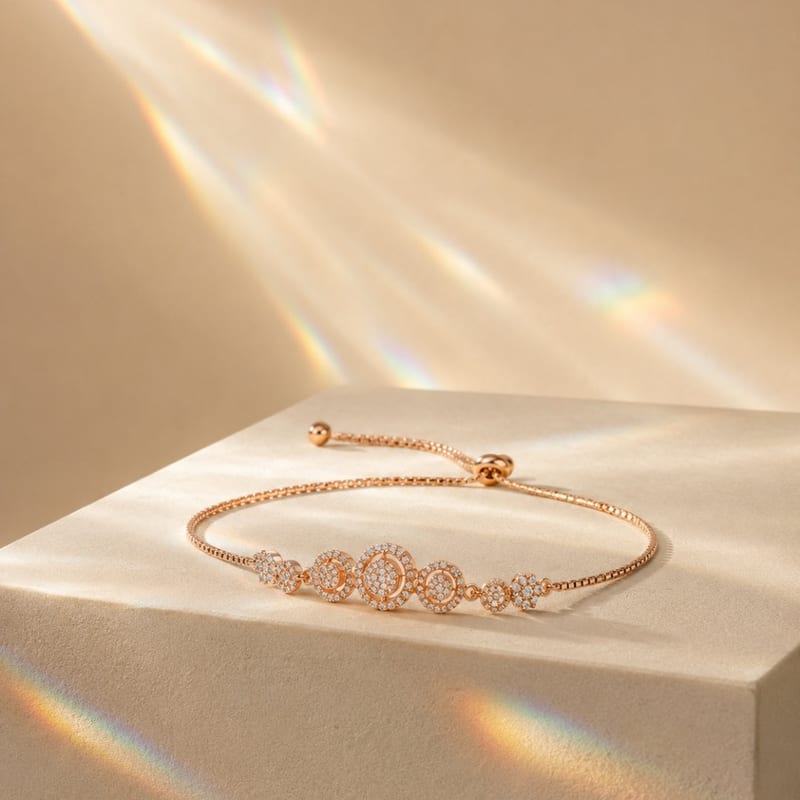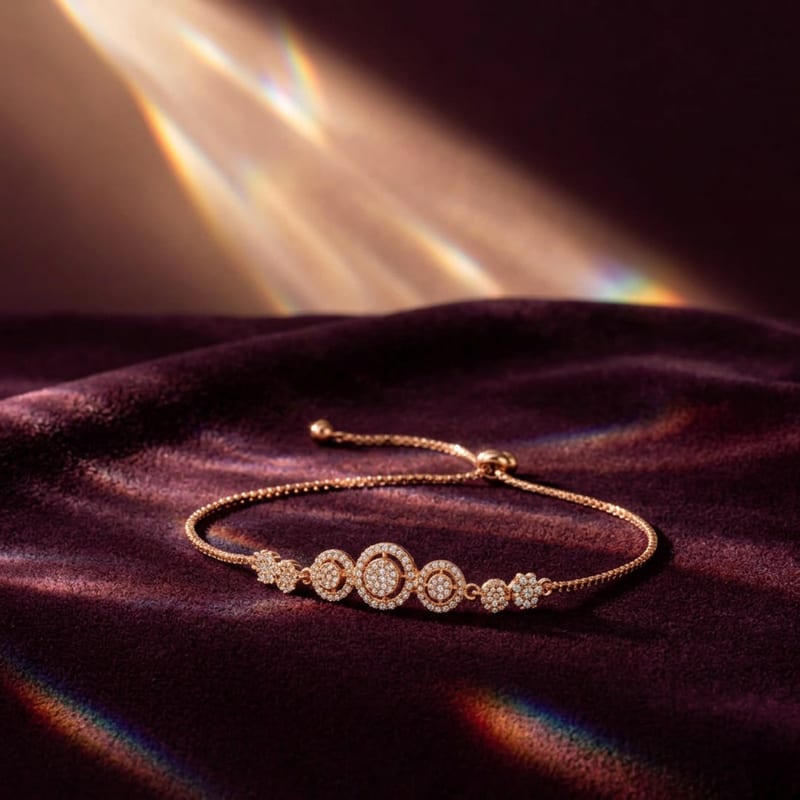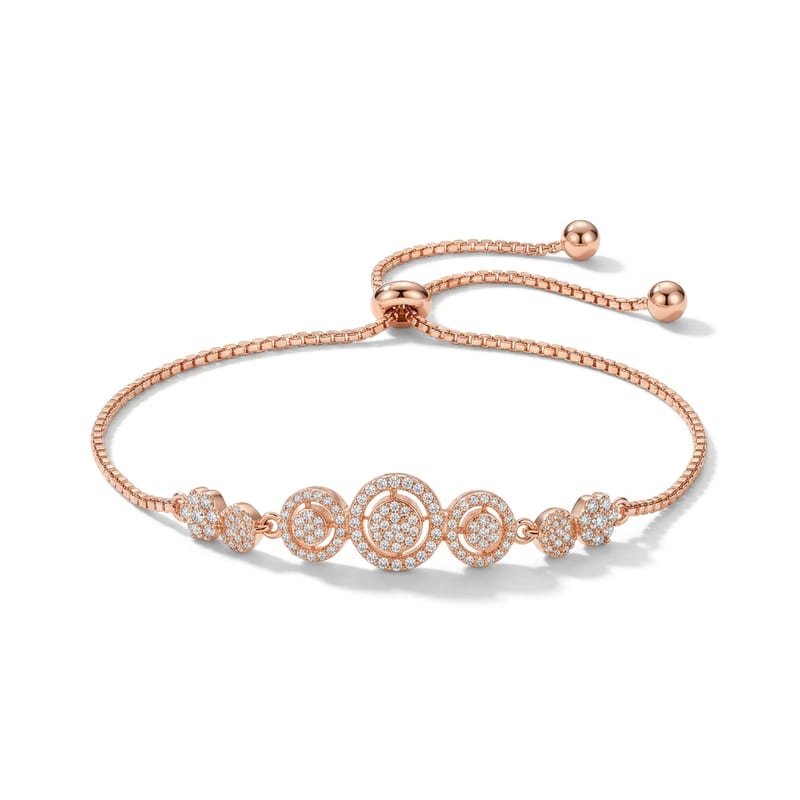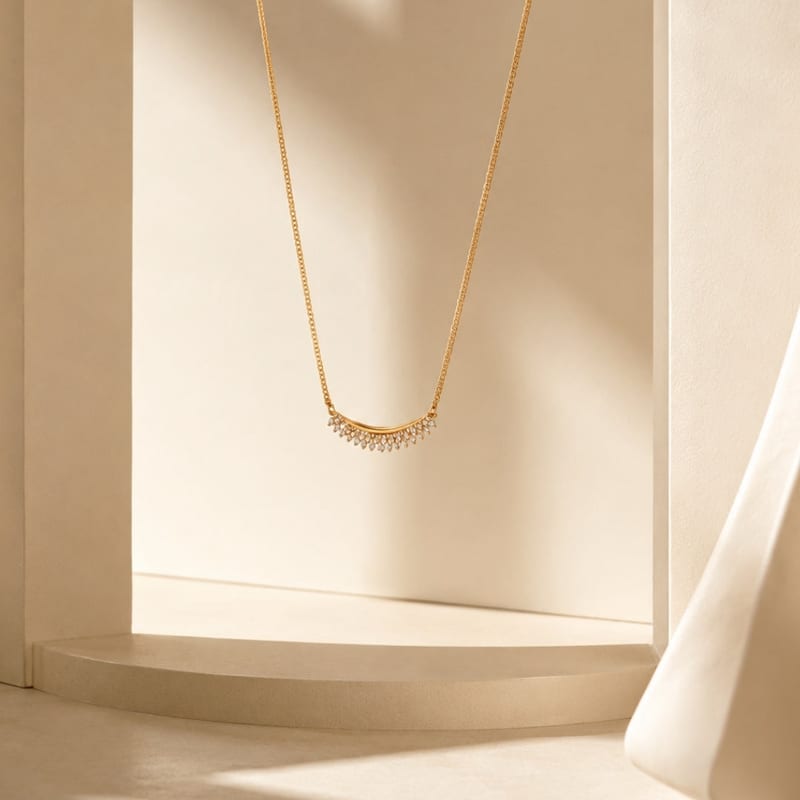
If you have ever bought a beautiful gold-tone piece and wondered whether it will still look this good next year, you are asking the right question. Gold plating gives you the warm look of gold at a fraction of the price, but it is a thin layer, and thin layers wear. The good news: how long it lasts is mostly in your hands. This guide explains, without marketing fluff, what decides the life of gold-plated jewellery, why Indian weather plays a part, how to notice wear early and the simple habits that keep your pieces shining.
What gold plating actually is
Gold-plated jewellery is made from a base metal (often brass, an alloy or sterling silver) with a very thin layer of gold bonded to the surface, usually by electroplating. The base gives the piece its shape and strength; the gold layer gives it colour. Because the layer is measured in microns (thousandths of a millimetre), it is far thinner than a sheet of paper.
There is no Indian labelling standard for how thick plating must be, and plated jewellery is not covered by BIS gold hallmarking, which is for solid gold. For a sense of scale, the United States Federal Trade Commission's jewellery guides say a product described as "gold plated" or "gold electroplated" should carry at least 0.175 microns of gold of at least 10 karat (16 CFR Part 23), and that "vermeil" means sterling silver with a thicker gold layer. Thicker plating simply has more gold to lose before the base shows, which is why it lasts longer.
If you want the full comparison of plated, vermeil and gold-filled pieces, read gold plated vs gold vermeil vs gold filled.
What decides how long gold plating lasts
Two pieces bought on the same day can look completely different a year later. These are the factors that make the difference:
| Factor | Why it matters | What you can do |
|---|---|---|
| Plating thickness | More gold means more material to wear away before the base shows. | Buy from brands that describe their materials clearly. |
| Base metal | Brass and copper alloys can darken (oxidise); once the gold thins, that shows through. | Choose nickel-free, clearly described bases, especially for sensitive skin. |
| Protective finish | An anti-tarnish layer slows the reaction with air, moisture and sweat. | Look for anti-tarnish finishes and avoid harsh cleaners that strip them. |
| Type of piece | Rings and bracelets rub against hands, desks and bags all day; earrings and pendants barely touch anything. | Rotate rings and bracelets; save them for occasions if you want them to last longest. |
| Skin and sweat | Sweat is slightly acidic and salty; some skin is more reactive than others. | Wipe pieces after wearing, especially in summer. |
| Water, perfume, lotions | Chlorine, salt water, alcohol-based perfume and creams attack the finish. | Jewellery on last, off first. |
| Storage | Humid air and pieces scratching each other wear plating even when you are not wearing it. | Store dry and separately (see below). |
Why Indian weather is harder on plating
Heat and humidity speed up the chemical reactions that cause tarnish. In coastal cities and during the monsoon, moisture in the air settles on metal surfaces; in the hot months, sweat adds salt and acid. Neither means you cannot enjoy plated jewellery in India: it means care matters more here than in a cool, dry climate. A few seconds of wiping a piece dry before you put it away does more for its life than anything else.
This is also why we explain why some jewellery turns black: it is usually moisture plus a reactive base metal, not "bad luck".
Which pieces last longest, and which wear fastest
- Stud earrings barely touch anything and stay away from water if you take them off to bathe. They are the longest-lasting plated pieces you can own. See our stud earrings guide.
- Pendants and necklaces sit on skin, so sweat and perfume are the main risks. Spray perfume first and let it dry before you put the necklace on.
- Hoops and drop earrings brush against hair, collars and phone screens, so they wear a little faster than studs.
- Bracelets and bangles knock against desks, keyboards and bags all day.
- Rings wear fastest: hands are washed many times a day, sanitiser is alcohol-based, and rings rub against everything you hold. If you love a plated ring, take it off before washing hands and at the gym.
Early signs that plating is wearing
- A slightly paler or pinker tone on edges and high points (where friction is highest).
- A dull patch on the inside of a ring or the back of a bangle.
- Dark spots or a greyish film that does not wipe off with a dry cloth.
- A green mark on skin, usually a reaction between sweat and a copper-containing base once the coating thins.
Catching wear early lets you change habits (for example, wearing a ring less often) before it becomes obvious.
12 habits that make gold plating last longer
- Put jewellery on last, after perfume, lotion, sunscreen and hairspray have dried.
- Take it off first when you get home.
- Remove it before bathing, swimming, cooking and washing dishes. Read is gold-plated jewellery waterproof?
- Take rings off before washing hands or using sanitiser.
- Remove everything before the gym, yoga or sport: sweat plus friction is the fastest way to wear plating.
- Do not sleep in plated jewellery; pillows and sheets rub it all night.
- Wipe each piece with a soft, dry, lint-free cloth after wearing.
- Never use toothpaste, baking soda, vinegar or silver dip: they are abrasive or acidic and remove plating. Our cleaning guide shows the gentle method.
- Store each piece separately (a pouch or a lined box with compartments) so pieces do not scratch each other.
- Keep storage dry. A small silica gel sachet in the box helps a lot in the monsoon. See how to store jewellery so it does not tarnish.
- Rotate your everyday pieces instead of wearing the same ring or bracelet daily.
- Keep pieces out of the bathroom, where humidity is highest.
How Miayaa pieces are made for everyday wear
Miayaa is an Indian demi-fine jewellery brand. Our pieces are crafted on brass, sterling silver and alloy bases with gold or rhodium plating, set with crystals, cubic zirconia and gemstones, and finished in 18K gold-tone with an anti-tarnish finish. They are skin-safe and nickel-free. Every product page has a Jewellery care tab, and our full jewellery care guide explains how to keep each type of piece at its best.
We are honest about what plating is: it is a beautiful, affordable finish that rewards care, not solid gold. That is why we explain how to care for it rather than calling the finish permanent. If a piece ever arrives damaged or defective, tell us within 48 hours of delivery with your order number and photos and we will exchange it (see returns and exchanges).
Is gold-plated jewellery worth buying?
For most people, yes, as long as expectations are right. Plated and demi-fine jewellery lets you wear current designs every day, match pieces to outfits and occasions, and give generous gifts without the cost of solid gold. Solid gold is the better choice for heirlooms and pieces you never want to take off. Many women own both: a few solid gold pieces for life, and a rotating wardrobe of demi-fine pieces for everyday style. Read what demi-fine jewellery is to see where it sits between fashion and fine jewellery.
Shop pieces that are easy to care for
If you want plated jewellery that lasts with little effort, start with studs, small hoops and pendants: they meet the least friction. Browse our everyday wear edit, earrings and bestsellers. Every order ships free across India in 5–7 business days, and you can pay by card, UPI or net banking. Questions about a piece? Message us on WhatsApp at +91 90888 12223 or email miayaalifestyle@gmail.com.